
Introduction
As the seasons change, so do our skincare needs. Factors like temperature, humidity, and sunlight can impact our skin’s health and appearance. Adjusting your skincare routine to suit the changing weather is essential for maintaining optimal skin health year-round. This guide will help you navigate the necessary changes in your routine as each season approaches.
1. Spring Skincare

Characteristics: Spring often brings fluctuating temperatures and increased humidity, which can affect your skin.
Adjustments to Make:
- Switch to Lighter Moisturizers: As humidity increases, opt for a gel-based or light lotion moisturizer. Look for ingredients like hyaluronic acid and glycerin that hydrate without weighing you down.
- Gentle Exfoliation: Use a gentle exfoliant once a week to remove dead skin and promote a fresh glow. Consider using chemical exfoliants (like AHAs) that are less abrasive than physical scrubs.
- Sunscreen Essentials: Spring sun can be deceptive. Maintain your sunscreen routine with a broad-spectrum SPF to protect against UVA and UVB rays.
2. Summer Skincare

Characteristics: Summer heat can lead to sweat and oil production, making your skin more prone to breakouts and irritation.
Adjustments to Make:
- Focus on Oil-Free Products: Use oil-free and non-comedogenic products to reduce shine and prevent clogged pores. Gel-based cleansers can help keep your skin feeling fresh.
- Incorporate Mattifying Primers: If you wear makeup, consider using a mattifying primer to control shine and enhance longevity in hot weather.
- Hydration is Key: Despite higher humidity, your skin still requires hydration. Look for lightweight serums or hydrating sprays that offer moisture without being heavy.
3. Fall Skincare
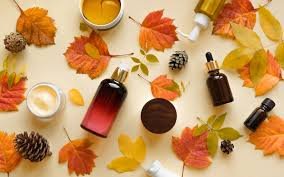
Characteristics: As temperatures drop and humidity decreases, your skin can experience dryness and sensitivity.
Adjustments to Make:
- Richer Moisturizers: Transition to creamier, more hydrating moisturizers that provide extra nourishment. Ingredients like ceramides and shea butter can help restore moisture.
- Increase Exfoliation Frequency: Fall is a great time to reevaluate your exfoliation. Use deeper exfoliating treatments (like scrubs or peels) to prepare your skin for winter.
- Nourishing Masks: Incorporate hydrating masks into your weekly routine to help combat the drying effects of cooler air.
4. Winter Skincare

Characteristics: Winter can be harsh, leading to dry, flaky skin due to cold air and indoor heating.
Adjustments to Make:
- Intense Moisturization: Switch to heavier creams or oils to lock in moisture. Look for products containing occlusives like petrolatum, which provide a protective barrier.
- Humidifier Use: Introduce a humidifier in your home to add moisture back into the air, which can help prevent your skin from drying out.
- Gentle Cleansing: Use creamy, hydrating cleansers that don’t strip the skin of its natural oils. Avoid hot water, which can exacerbate dryness.
5. General Tips for Seasonal Transitions
- Listen to Your Skin: Pay attention to how your skin responds to each season. Adjust your routine based on your skin’s unique needs.
- Patch-Test New Products: Anytime you introduce new products, especially during seasonal transitions, perform a patch test to avoid adverse reactions.
- Stay Hydrated: Regardless of the season, drinking enough water can help maintain your skin’s hydration levels from within.
Conclusion
Adjusting your skincare routine according to the seasons ensures that your skin remains balanced, healthy, and glowing year-round. By understanding the impact of seasonal changes and making necessary adjustments, you can effectively protect your skin and enhance its appearance. Embrace the changing seasons as an opportunity to discover new products and methods that work best for you!