Introduction
The world of skincare is filled with myriad myths and misconceptions, often passed down through generations or fueled by marketing hype. Separating fact from fiction is essential for making informed choices about your skincare routine. This article aims to debunk common skincare myths and uncover what truly works for achieving healthy, beautiful skin.
1. Myth: Oily Skin Doesn’t Need Moisturizer
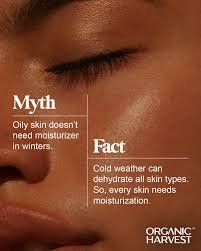
Truth: All skin types, including oily skin, require hydration.
- Explanation: Oiliness does not equate to hydration. Using an oil-free, lightweight moisturizer can help maintain moisture levels without clogging pores. Skipping moisturizer can lead your skin to overproduce oil, worsening the very issue you’re trying to combat.
2. Myth: You Only Need Sunscreen on Sunny Days
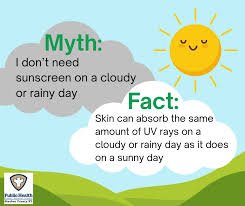
Truth: Sunscreen is essential every day, regardless of the weather.
- Explanation: UV rays can penetrate clouds and affect your skin even on overcast days. Daily application of a broad-spectrum sunscreen can protect against both UVA (aging) and UVB (burning) rays, helping to prevent premature aging and skin cancer.
3. Myth: Natural Ingredients Are Always Better

Truth: Natural does not always mean safe or effective.
- Explanation: While many natural ingredients can be beneficial, some can trigger allergic reactions or irritate the skin. Effectiveness varies greatly and depends on the individual’s skin type. It’s crucial to research and patch-test natural products, just as with synthetic ones.
4. Myth: You Should Feel a Tingle for Products to Work

Truth: A tingling sensation isn’t an indicator of effectiveness and can be a sign of irritation.
- Explanation: Products that cause tingling may contain harsh ingredients that can damage your skin barrier over time. Instead of focusing on sensations, pay attention to how a product improves your skin’s texture and tone without causing redness or irritation.
5. Myth: More Expensive Products are More Effective
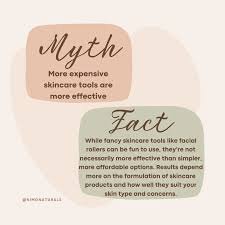
Truth: Price does not define product efficacy.
- Explanation: Many affordable skincare products deliver excellent results. Ingredients like hyaluronic acid or retinol can be found in both high-end and drugstore brands. Focus on formulations and ingredients rather than marketing.
6. Myth: You Can Target Specific Areas of Your Face
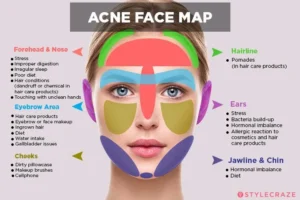
Truth: You cannot selectively reduce fat or wrinkles in specific areas of the face without professional treatment.
- Explanation: While certain products may help improve the appearance of specific areas, they won’t drastically change how those areas look. Focus on overall skin health instead—consistent routines yield better results.
7. Myth: You Should Exfoliate Daily for Smooth Skin
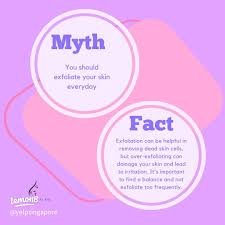
Truth: Over-exfoliation can damage the skin.
- Explanation: Exfoliating too frequently can strip your skin of its natural oils and lead to irritation, redness, and sensitivity. Most dermatologists recommend exfoliating 1-3 times a week, depending on your skin type and the exfoliant used.
8. Myth: Pore Size Can Be Permanently Shrunk

Truth: Pore size is largely genetic and cannot be permanently changed.
- Explanation: While you can temporarily minimize the appearance of pores with products like clay masks or chemical exfoliants, they cannot change their size permanently. Regular cleansing and exfoliating can help keep pores clear, making them appear smaller.
9. Myth: All Acne Products Dry Out Your Skin

Truth: Many acne treatments can hydrate and treat without causing dryness.
- Explanation: Ingredients like salicylic acid and benzoyl peroxide can effectively treat acne, but formulations exist that also include hydrating agents. Look for products labeled as non-drying or containing moisturizing ingredients.
10. Myth: You Should Change Your Products Frequently
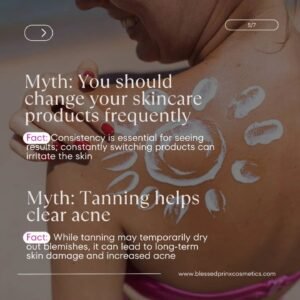
Truth: Consistency in your skincare routine tends to yield the best results.
- Explanation: Constantly switching products can hinder your skin from adjusting and responding to active ingredients effectively. Allow a product at least six weeks to show results before deciding to change.
Conclusion
Navigating the world of skincare can be confusing with so many myths circulating. By debunking these common misconceptions and understanding what truly works for your skin, you can create an effective, personalized skincare routine that promotes healthy, radiant skin. Always pay attention to how your skin responds to products, and consult with skincare professionals when in doubt.