Introduction
Understanding your skin type is fundamental to effective skincare. Tailoring your at-home routine not only helps in addressing specific concerns but also enhances overall skin health. This article will guide you through different skin types, their characteristics, and how to create a personalized skincare regimen that meets your unique needs.
1. Identifying Your Skin Type
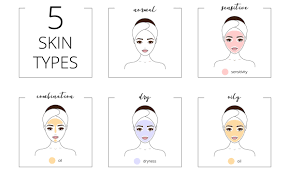
Skin types can generally be classified into five categories: normal, oily, dry, combination, and sensitive. Here’s how to identify each type.
1.1 Normal Skin
- Characteristics: Balanced, not too oily or dry, few imperfections, and a radiant complexion.
- At-Home Routine:
- Cleansers: Use a gentle, hydrating cleanser.
- Moisturizers: Lightweight lotions or creams are ideal.
- Exfoliation: Exfoliate once a week to maintain a smooth texture.
1.2 Oily Skin
- Characteristics: Shine, enlarged pores, and frequent breakouts or acne.
- At-Home Routine:
- Cleansers: Gel or foaming cleansers that contain salicylic acid.
- Moisturizers: Oil-free, non-comedogenic moisturizers.
- Exfoliation: Use chemical exfoliants (like AHAs or BHAs) 2-3 times a week to keep pores clear.
1.3 Dry Skin
- Characteristics: Tightness, flakiness, and dullness. May appear red or irritated.
- At-Home Routine:
- Cleansers: Cream-based, hydrating cleansers that don’t strip natural oils.
- Moisturizers: Thick emollients or creams rich in ingredients like shea butter or hyaluronic acid.
- Exfoliation: Gentle exfoliation using hydrating scrubs or enzymes, once a week.
1.4 Combination Skin
- Characteristics: Oily in some areas (typically the T-zone) and dry in others.
- At-Home Routine:
- Cleansers: A mild cleanser suitable for all skin types.
- Moisturizers: Lightweight moisturizers for the oily areas and richer formulations for dry areas.
- Exfoliation: Regular exfoliation on the oily parts, and gentle care for the dry areas.
1.5 Sensitive Skin
- Characteristics: Prone to redness, irritation, or reactions to products. Often feels tight or itchy.
- At-Home Routine:
- Cleansers: Ultra-gentle, fragrance-free cleansers.
- Moisturizers: Hypoallergenic and calming creams containing ingredients like aloe vera or calendula.
- Exfoliation: Minimal exfoliation; consider enzyme-based products rather than abrasive scrubs.
2. Key Ingredients for Each Skin Type
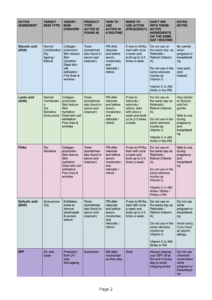
Understanding which ingredients work best for your skin type can be a game-changer.
- For Normal Skin:
- Look for products with antioxidants like Vitamin C and E.
- For Oily Skin:
- Choose products with salicylic acid, tea tree oil, and clay.
- For Dry Skin:
- Ingredients like hyaluronic acid, glycerin, and ceramides are essential.
- For Combination Skin:
- Use a mix of lightweight products for oily areas and rich creams for dry zones.
- For Sensitive Skin:
- Focus on soothing ingredients like chamomile, aloe vera, and niacinamide.
3. Creating Your Skincare Routine
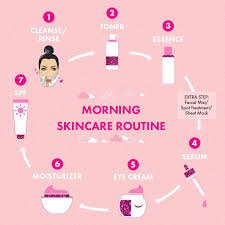
Now that you’ve identified your skin type and key ingredients, here’s how to put a routine together:
3.1 Morning Routine:
- Cleanse: Start with a gentle cleanser suited for your skin type.
- Tone (optional): Use a toner if it suits your skin type to balance pH.
- Moisturize: Apply a moisturizer that fits your skin type.
- Sunscreen: Daily UV protection is non-negotiable.
3.2 Evening Routine:
- Cleanse: Double-cleanse if wearing makeup—first with an oil-based cleanser, then a water-based one.
- Tone (optional): Apply toner if part of your routine.
- Treat: Use serums or treatments specific to your skin concerns (e.g., acne).
- Moisturize: Apply a suitable night cream or moisturizer.
4. Continuing Education and Adaptation
Your skin can change due to various factors such as diet, stress, environment, and age. Regularly assess your skin and adjust your routine accordingly. Consider keeping a skincare journal to track how products affect your skin.
Conclusion
Understanding your skin type is the cornerstone of effective skincare. By tailoring your at-home routine to suit your specific needs, you can build a regimen that not only improves your skin’s health but also boosts your confidence. Remember, consistency is key, and don’t hesitate to consult with a skincare professional for personalized advice.